
As you select plates, bowls or serving dishes, you are not simply selecting “crockery.” You are actually making a decision between which crockery materials you are going to use, and each of these materials will impact the appearance of your food, the lifespan of your crockery and the performance of your business in hospitality.
One thing you know as a restaurant owner, hotelier, cafe owner, or caterer is that presentation is the first thing guests notice. It can be a little something, such as the plate quality that can make the entire dining experience.
I will take you through ceramic, porcelain and bone china in a very simple way. You will know what they are, how they differ, and which is best for your business. At Deper Hospitality, we assist hospitality businesses in selecting the right crockery material for their needs, not just for its aesthetic appeal.
Let's keep it simple and practical.
What are Crockery Materials?
Crockery materials just refer to the material that is used to make plates, cups, bowls, and serving dishes.
Crockery is something you see on a daily basis, but not all crockery is created equal. Some snap in a heartbeat, some last for years, and some appear very top-notch.
The most popular crockery materials are:
- Ceramic
- Porcelain
- Bone China
All of these are made from clay and are processed differently by manufacturers. That difference means differences in strength, weight, finish and price.
When it comes to hospitality, it is not all about appearance. It directly affects:
- Daily breakage cost
- Customer experience
- Brand image
- Maintenance workload
Let's now discuss each material in detail.
Ceramic Crockery Materials: Affordable and Everyday Use
What is Ceramic Crockery?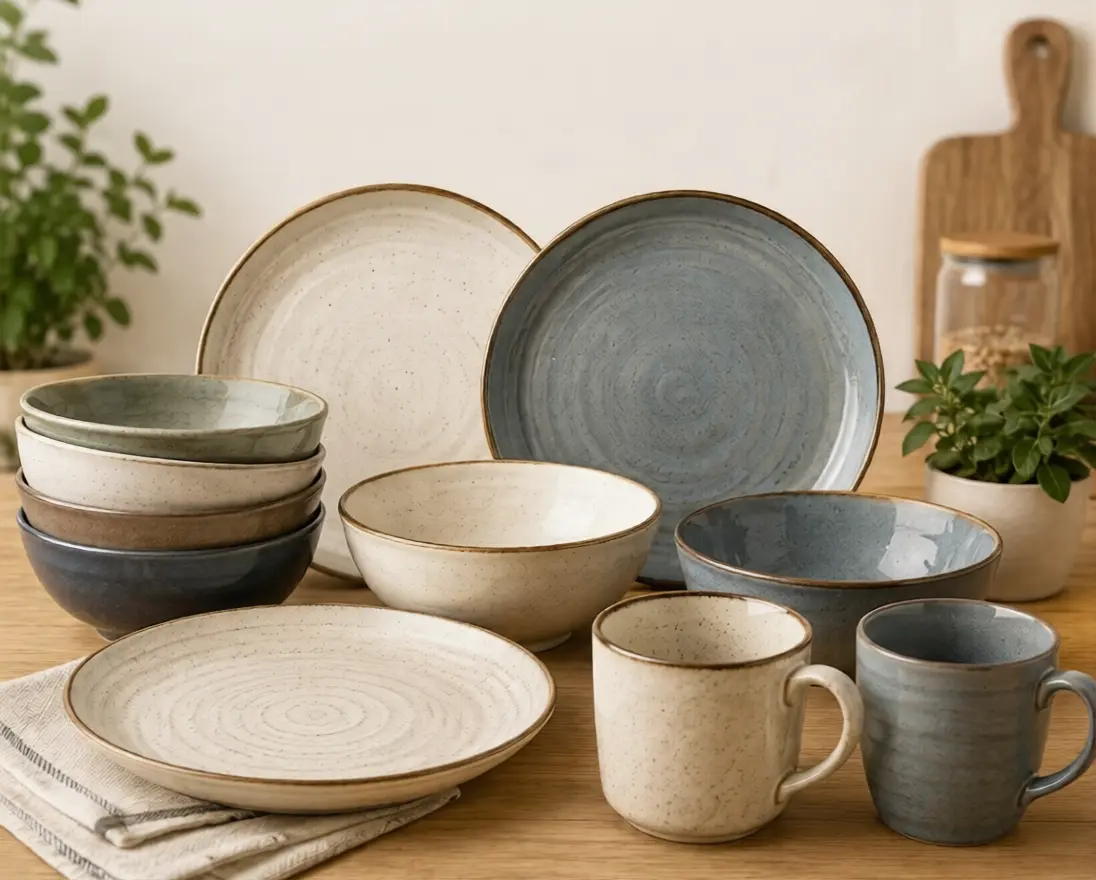
Ceramic crockery is made from natural clay, which is formed into plates, bowls and cups and then heated at a high temperature in a kiln. This is the way it becomes solid and can be used for everyday meals.
It is easy, affordable, and practical, making it a popular choice for many small food businesses.
Ceramic crockery is typically found in:
- Accommodations for eating and sleeping
- Cafes that serve fast food.
- Cheap restaurants with an eye on the bottom line.
- Local restaurants and snack bars
It provides you with the basic function without the additional setup expenses. It is not however so high tech in presentation and therefore does not convey a luxury dining experience.
Durability and Strength
Ceramic is moderately strong but weaker than porcelain and bone china.
You should know:
- Staff handling can cause it to chip more during peak service times
- It is brittle to changes of temperatures (such as hot food on cold plates)
- Great for light to moderate everyday use in homes or small cafes.
- It is not as reliable in commercial kitchens with high-traffic areas.
For restaurants with heavy orders every day, ceramic can cause your replacement and breakage costs to rise over time. That's why businesses that receive a lot of traffic tend to switch to more durable alternative crockery materials.
Price Range
Among all crockery materials, ceramic is the cheapest one and thus it is used by startups.
You select ceramic when:
- You're looking to keep initial investment low
- You have a casual dining or fast food establishment
- Luxury presentation and fine dining experience are not a major consideration for you
- You want replacement to be easy but not cost-intensive.
It allows new businesses to get up and running quickly, without having to spend a lot of money on tableware upfront.
Best Use Cases in Hospitality
Ceramic is most effective in practical, cost sensitive situations, like
- Cafes and tea rooms
- Fast food restaurants and takeaway points
- Budget hotels and guesthouses.
- Dining facilities for staff, including institutional dining.
Here at Deper Hospitality, one of the ceramic crockery ideas we frequently recommend is for businesses in their early stages. It is a good way to keep costs down while testing the market, but we wouldn't recommend it for a high-end restaurant where presentation is important.
Materials for Porcelain Crockery: Strength and Grace in Perfect Harmony
What is Porcelain?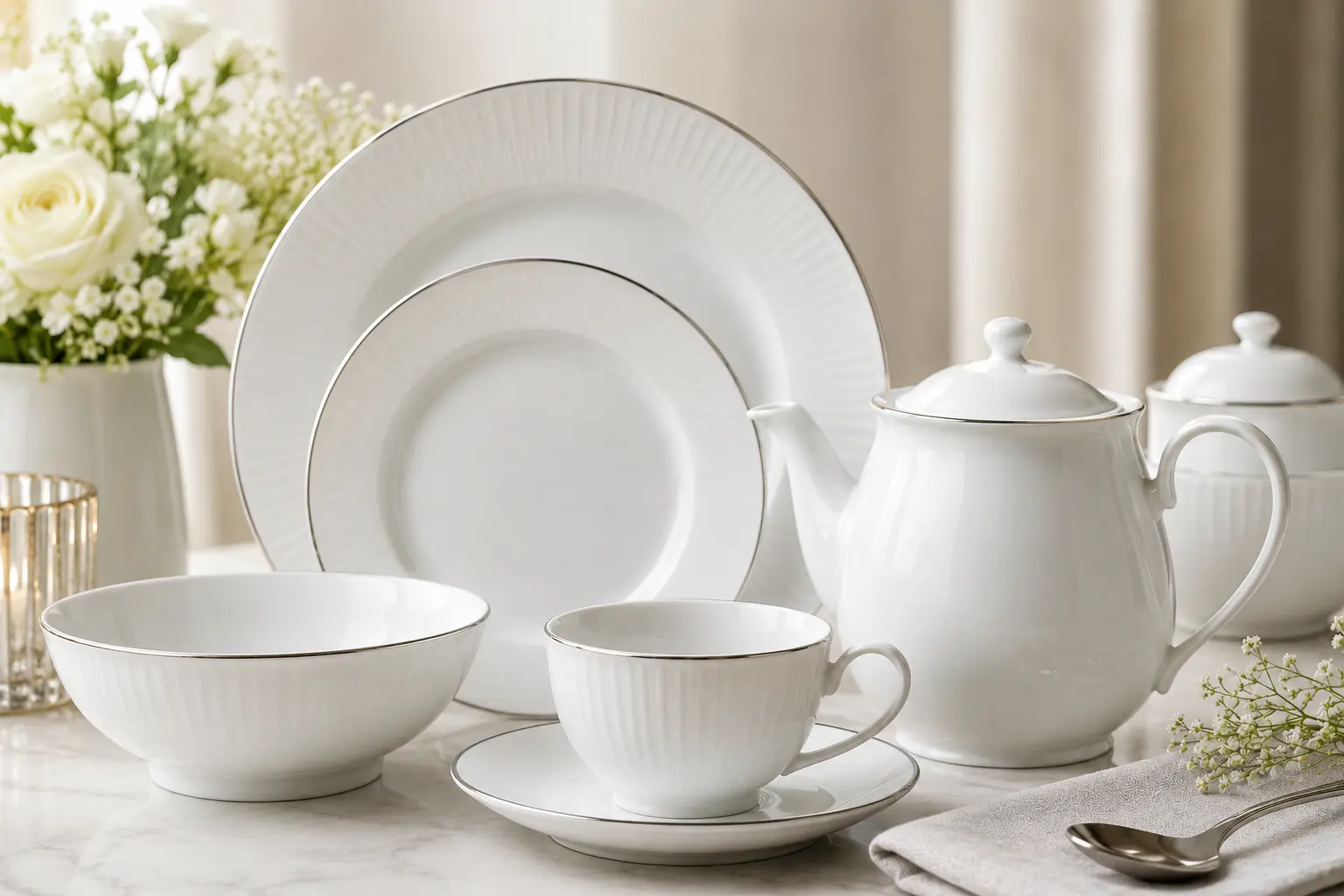
Porcelain is made with a higher quality clay and is fired at a higher temperature than ceramic. This process is done at a high heat and clears impurities and produces a solid and smoother surface.
Porcelain is easily identified by:
- A smooth and refined surface finish is achieved.
- Natural Glint
- Lightweight, but solid feel
- A white or ivory color that is free from stains
This enhances the presentation of food and provides an instantly more professional dining appearance and is the reason why many business operations choose it over other crockery materials.
Durability and Heat resistance
Porcelain is much more effective than ceramic in commercial settings.
Why it is favored by businesses:
- Hard to chip and crack even with daily wear and tear.
- It can be used to serve hot food, boiling soups, and oven to table.
- It has a very low moisture absorption, thus enhancing hygiene.
- It is dishwasher and commercial cleaning system compatible
- It remains stable in the frequent use of restaurants and hotels
Due to this durability, porcelain is a safe option in a busy hospitality environment where reliability is key.
Pricing Overview
Porcelain falls in the middle category, providing a good compromise between cost and quality.
It is more expensive than ceramic, but still less expensive than bone china.
You pay for:
- Increased durability and longevity.
- Improved food presentation
- Professional dining appearance
- Reduce the long-term replacement costs.
Porcelain is often a cost-saver in the real-world applications of hospitality, as it minimizes the need for replacement due to breakage.
Best Hospitality Applications
Porcelain is ideal for professional and semi-professional applications like the following:
- Fine dining restaurants
- 3 to 5-star hotels.
- Banquet halls and wedding venues.
- Catering companies that cater for large events.
- Dining facilities in offices and companies
Porcelain is a popular choice among many Deper Hospitality clients as it provides a good balance between luxury look and cost of operation. It is suitable for everyday use and special occasions.
Bone China Crockery Materials: High Quality Luxury Choice
What is Bone China?
Bone China is one of the world's most luxurious crockery materials. It is made by manufacturers from bone ash, fine clay and special minerals.
This special combination gives it a very refined and elegant look and feel.
It is remarkable due to the following:
- It is translucent and a high quality finish under the light.
- Very light to hold
- It provides a soft and luxurious dining experience.
- It adds a pretty touch to even the plainest of foods
That's why luxury hotels use it to make an immediate impact with their guests.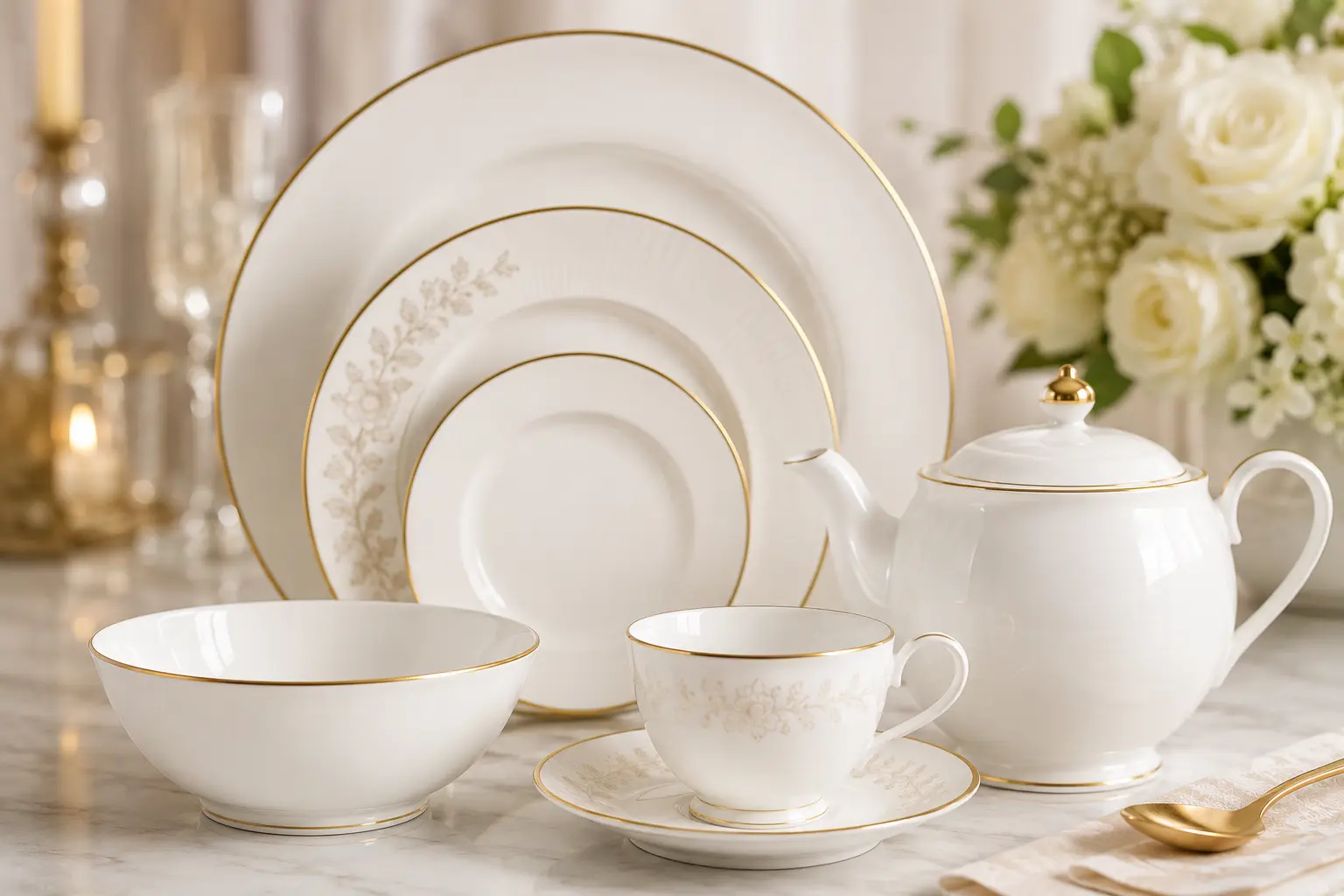
Strength vs Delicacy
Many people think bone china is fragile, but this is not the case for its use in hospitality.
In reality:
- Despite its thin, delicate appearance, it is strong.
- When handled correctly, it is more chip resistant than regular ceramic.
- It works great in fine dining situations where there are trained personnel
- It provides elegance and functionality at the same time
This blend makes it an excellent option for high-end dining establishments where presentation is as crucial as durability.
Pricing and Market Position
Bone China is the most expensive type of commercial crockery product. When you source it you pay for:
- High quality visual appeal and high-end branding.
- High quality workmanship and construction
- Positive brand image in the hotel sector.
- Enhanced guest dining experience
Bone China is an investment that affects the perceived value and guest satisfaction in hotels and fine dining restaurants.
Best Use in Hospitality
Bone china is suitable for top quality and luxury areas like
- 5-star luxury hotels
- Fine dining restaurants (high-end)
- VIP dining rooms and executive lounges.
- Weddings & corporate events in luxury.
- Guest experiences on par with Michelin.
Bone China is recommended by Deper Hospitality for brands that wish to make a strong statement in the luxury market and put emphasis on presentation and guest impression.
Ceramic, Porcelain, and Bone China – The main Crockery Materials Compared
To help you make a quick and confident decision on which crockery material to use, here is a simple comparison:
Feature | Ceramic | Porcelain | Bone China |
Strength | Medium | High | High |
Weight | Heavy | Medium | Very light |
Appearance | Basic and simple | Clean and elegant | Luxury and premium |
Durability | Moderate | High | High (with careful handling) |
Price | Low | Medium | High |
Best Use | Casual dining and budget setups | Hotels, restaurants and catering | Luxury hospitality and VIP service |
This comparison makes one thing very clear: that every crockery material is for a different purpose. Ultimately, it is a decision that relies on your business type, budget, and customer experience objectives.
Which Crockery Material is Best for Your Business?
Let's make this decision easy for you.
- For a Low Budget Setup: Go for ceramic. It is good for casual dining, but replacements will occur more often because of wear and tear.
- For Balanced Performance: opt for porcelain. It offers a high degree of durability, top quality appearance, and low operating cost.
- For Luxury Branding: Go for bone china. It enhances the guest experience, provides light elegance, and enables high end market positioning.
We always say to our clients to think long term at Deper Hospitality. A low cost crockery material can be more expensive in the long term due to frequent breakage and replacement.
Maintenance and Care Tips for Crockery Materials
Good care will prolong the life of crockery and save money.
Ceramic Care
- Don't put the container in and out of the refrigerator or freezer.
- Avoid loading too much!
- Wash hands if necessary.
Porcelain Care
- Dishwasher safe
- Use soft detergents
- Carefully store to prevent chipping.
Bone China Care
- Use with special care.
- Avoid metal scrubbing
- Keep away from other materials if possible
Even little things in the care routine can make a huge difference in the hospitality business.
Final Thoughts
The selection of the crockery material is not only a buying decision. It is a business decision that impacts your brand, cost and customer experience.
As a hospitality business owner, never consider just the price. Consider durability, presentation and long-term value.
Deper Hospitality is here to assist businesses in choosing crockery that aligns with their service standards, budget, and brand. We look for solutions that will save money and enhance the guest experience simultaneously.
To learn more about our restaurant and hotel crockery solutions, please reach out to us today at Deper Hospitality to help you select the best crockery materials for your project.
FAQs About Crockery Materials
1. What are the main crockery materials used in hospitality?
The principal crockery materials are ceramic, porcelain, and bone china. They each provide varying degrees of durability, cost and appearance.
2. Which crockery material lasts the longest?
Porcelain and bone china are more durable than ceramic as they are less prone to chipping and are able to withstand more wear and tear.
3. Is bone china too fragile for restaurants?
No, bone china is delicate but will hold up well in fine dining if used correctly.
4. Why do hotels prefer porcelain crockery?
Porcelain is a popular choice in hotels due to its durability, aesthetic appeal, and cost-effectiveness.
5. What is the cheapest crockery material?
Ceramic is the least expensive but may need to be replaced more often.
6. Which crockery material looks most premium?
Bone China is the most upscale and high-quality look of crockery materials.