
The management of the OS&E orders in China can be quite evident on the surface. You make calls to some of the suppliers, confirm quantities, and have everything delivered in one shot. In actual projects, it does not go that smoothly. When dozens of suppliers deliver individually, costs increase, timeframes shift, and minor errors become severe issues.
That is where the difference with OS&E consolidation in China takes place. You combine the various shipments, documents, and delivery schedules into a single process that is under control and is export ready. When effectively consolidated, it can help save money, maximize the use of container space, and eliminate most of the headaches that characterize a slow-moving project.

What Is OS&E Consolidation in China?
OS&E consolidation in China refers to the integration of operating supplies and equipment of various suppliers and transporting them as a single organized shipment. Not all objects are shipped to a particular factory but to a consolidation warehouse.
At the same point, teams check quantities, examine packaging, label cartons, and load containers in a scheduled manner. One shipment, one packing list, and one set of export documents are received. The method is particularly effective with large hospitality projects, resorts, serviced apartments, and hotels.
China is a key player in OS&E sourcing, as the country will provide a large pool of suppliers, good prices, and high manufacturing capabilities. Consolidation can assist you in managing such complexity rather than being the one to manage your project.
The Hidden Problems of Managing Multiple OS&E Suppliers
When you do not consolidate, there are problems that are manifested within a short time and, in most cases, simultaneously. What appears to be manageable on paper becomes a coordination problem that has to be dealt with on a daily basis when production and shipping commence. The bigger the number of suppliers you are dealing with, the more complicated the process.
Why Separate OS&E Shipments Create Issues
Both suppliers operate on their own schedule of production and shipping. One supplier completes the task on time and wants to ship at the moment. Another is material delay. The third ship partially ships to meet internal deadlines. It gets involved in following several ETDs, invoices, packing lists, and shipment tracking simultaneously. Even minor delays begin to intersect and cause confusion.
Qualities of packing are also different. One of the factories piles cartons in the most effective way. Another waste of cartons of different sizes. A third combines delicate and heavy objects. Such discrepancies add to the cost of freight and the chances of damage during transit. The process of sorting and verification is not as quick as it should be when it comes to shipments.
The Real Cost of No Consolidation
Numerous orders are more expensive than a single strategically planned shipping container. Each shipment is charged with port payments, clearing charg es, and handling costs. These are expenses that keep recurring amongst suppliers.
In cases where there is a need to deliver some important items that are delayed, teams will tend to use air freight to save the date of installations. Such a decision extends budgets to extreme limits. Most importantly, your team is wasting precious time solving logistical problems rather than dealing with project coordination, planning how to install the project, and on-the-ground implementation.
How OS&E Consolidation in China Manages Mixed Suppliers
What Mixed Suppliers Mean in OS&E Projects
OS&E projects are not dependent on one supplier very often. You usually work with:
- Accessory suppliers of guest rooms.
- Restaurant equipment suppliers.
- Housekeeping and laundry vendor.
- Back-of-house equipment manufacturers.
The suppliers manufacture various products, they operate on dissimilar timelines, and they have dissimilar packing procedures. These differences cause gaps and delays in the absence of a structured process.
How Consolidation Solves Mixed Supplier Challenges
Under the OS&E consolidation in China, all the suppliers have goods that are shipped to a single consolidation warehouse. At that point, the process remains structured and regulated:
- The goods are delivered to teams by the suppliers, and deliveries are recorded.
- Purchases are checked against purchase orders and packing lists.
- SKUs are clearly and uniformly labeled.
- Cartons are sorted according to room type, functional area, or order of installation.
You do not need to keep up with updates in various factories but have a single coordinated flow of logistics with visibility.
Why Mixed Supplier Consolidation Matters

You minimize the difference in communication since information will pass through a single channel. You do not lose or duplicate things. Before shipping, you have seen it all the way. With this structure, you are able to fix problems at an early stage where the cost of corrections is low, and the project timeline is not affected so much.
Container Optimization: Where Major Cost Savings Happen
What Container Optimization Really Means
Container optimization refers to an arrangement of the items that will be loaded into a container. Teams also take into consideration volume, weight distribution, carton strength, and fragility of items. The mission remains to the point: maximize the use of each cubic meter of cargo protection.
Consolidation teams develop container plans ahead of time rather than suppliers arranging a random loading of cartons. The heavy things are loaded first so as to be stable. Delicate products remain intact. Strange cartons are used to replace the gaps without forming pressure points.
How Container Optimization Saves You Money
By optimizing the container space, you:
- Minimize empty container volume.
- Do not ship half-full containers.
- Lower freight cost per unit.
- Choose the right size of the container initially.
Even minimal changes in loading efficiency can save thousands of dollars on large OS&E projects, particularly when several containers come into the picture.
Common Mistakes Without Optimization
Containers fill up in an unplanned fashion. Cartons may move in empty spaces during transit. Weighty objects harm the light ones. There are more claims, and replacements slow down installation.
Space problems that are discovered late tend to necessitate emergency types of deliveries using air. These issues can be avoided through OS&E consolidation, where the loading approach is considered before containers depart China.
Export Readiness: A Critical Part of OS&E Consolidation in China
Export preparedness is a significant factor in making your OS&E shipment either sail through or stall at the port. Shipping is not merely the act of transporting goods, but it is also the demonstration of the fact that all goods comply with export and import relations. This process is reinforced by OS&E consolidation in China that introduces order and pre-clearance of containers.
What Export Readiness Includes
Export readiness is much more than packing boxes and sealing containers. It covers:
- HS codes of individual product categories to prevent wrong classification.
- Correct commercial invoices accompanied by the corresponding description, values, and quantities.
- Well-written packing lists indicate the reality of what is in each carton.
- Packing, compliant with export requirements, that fulfills the destination handling and safety requirements.
- Labeling and fumigation where it is obligatory by regulation.
The absence of a single detail may cause a hitch in clearing customs, performance of inspections, or an entire rework that is very expensive.
How Consolidation Improves Export Readiness
In China, with OS&E consolidation, all documents are always reviewed and then shipped. They reconcile item descriptions between suppliers, check declared values, and confirm quantities between physical cargo.
Since all is shipped in a single clean export file, you do not have to make a number of fragmented files. You ship once, clear the customs once, and minimize the risks of inspections. This uniformity assists the customs officials in taking shorter periods and fewer inquiries to handle shipments.
What Happens Without Proper Export Preparation
In case the export readiness is not organized, the goods are delayed at the port. Customs can demand revision of documents, inspections of hold containers, or imposition of penalties. These problems tend to manifest themselves unexpectedly.
Delays during this phase in hospitality projects impact installation timings, coordination of contractors, and the opening dates. What begins as a document issue may affect the whole project in a short time.
How OS&E Consolidation Reduces Stress and Project Headaches
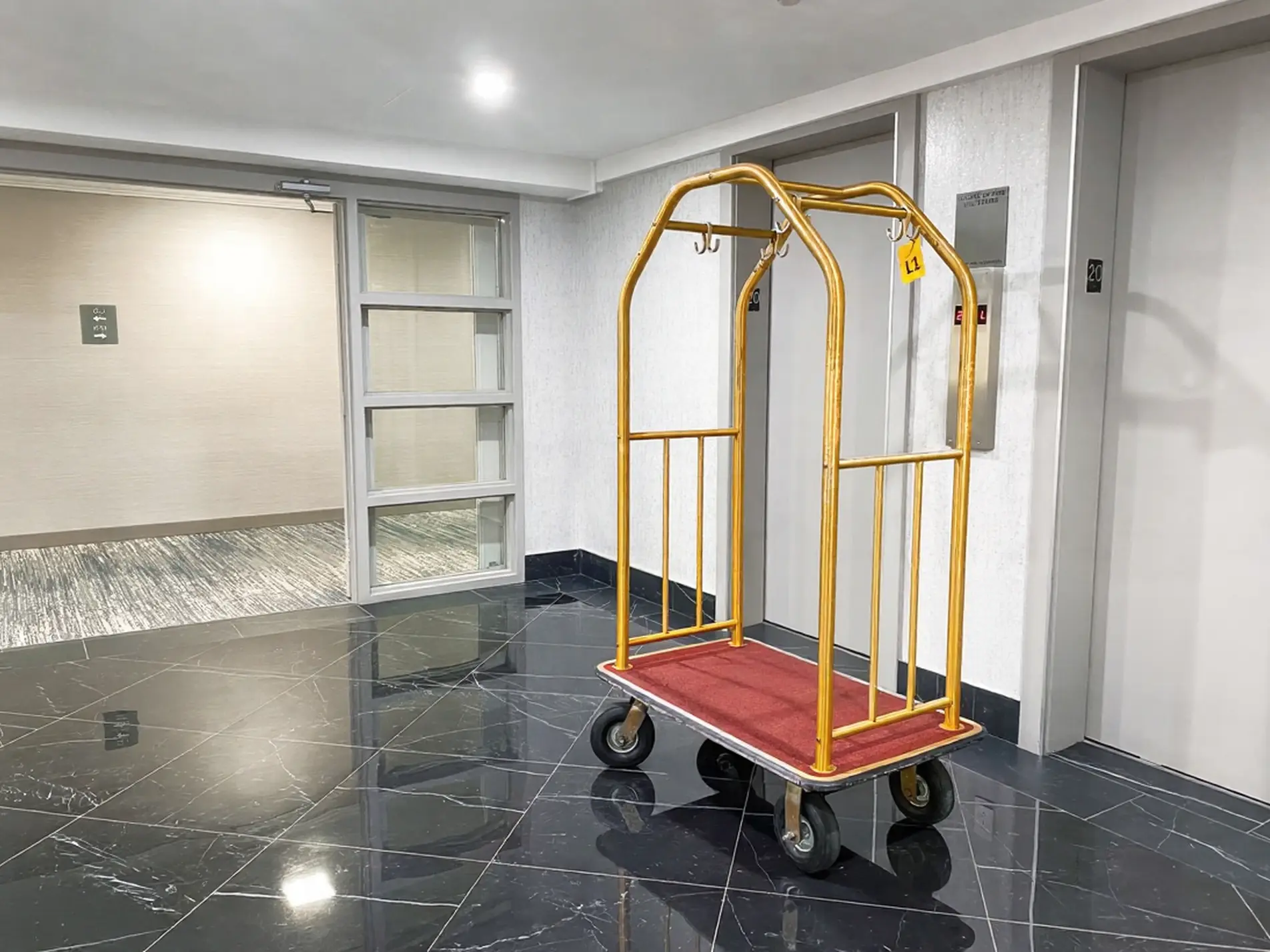
This makes coordination on a daily basis much easier when you consolidate OS&E in China. You also do not need to handle numerous shipments since you have a single logistics plan throughout.
One shipment is followed, rather than a multitude. You are given a single delivery schedule as opposed to overlapping ETAs. You do not have to unload for several days or even weeks, but once.
Your location team gets ready for storage space. Your buy department does not have a last-minute rush to get hold of items. This ensures that your project schedule remains constant since surprises are reduced. The most important thing is that you will get predictability, which eliminates one of the greatest points of pressure in large OS&E projects.
Who Benefits Most from OS&E Consolidation in China?
OS&E consolidation in China is effective when dealing with numerous suppliers and hard deadlines. This includes:
- Owners and developers of complicated openings in hotels.
- Project managers of hospitality projects organize various trades.
- Sourcing and procurement departments that deal with international companies.
- FF/E and OS/E consultants who manage the alignment of the suppliers.
- Standardized international hospitality brands.
Consolidation will provide you with the structure to keep in control, provided that your project requires accuracy, cost control, and timely delivery.
When Should You Plan OS&E Consolidation?
OS&E consolidation is better planned at the beginning of the project. You ought to coordinate the schedule of supplier production prior to the completion of mass production. The sooner the planning is done, the better, with the suppliers delivering to the consolidation warehouse in a coordinated manner.
Peak shipping seasons, Chinese public holidays, and port congestion periods should also be considered by you. Timing will assist you in making decisions in time, avoiding the sailing and excessive freight surcharges.
Key Takeaways: Why OS&E Consolidation in China Makes Sense
Consolidation of OS&E in China will save money because of the wastage of freight and rehandling expenses. It is space efficient with intelligent container loading and efficient planning. It helps in saving headaches because it substitutes the piecemeal deliveries with a methodical logistics procedure.
You do not handle issues once they have been shipped, but you can stop them before containers can be shipped out of China. This proactive strategy will ensure timely projects, controlled budgets, and execution-centered teams.
Conclusion
OS&E consolidation in China offers you power over expenses, space, and schedules. You no longer respond to delays and missed items but create a framework of flow, which helps you in all of your projects. When logistics go well, then the rest will follow.
In Deper, we assist the projects in making their OS&E sourcing process easier by means of intelligent consolidation strategies. We are not your logistics service provider; we are your business partner. Our team is already prepared to assist you in case you want to save freight expenses, avoid delays, and ship with confidence.
Get in touch with us today and have a simple, organized, and stress-free next OS&E shipment.
FAQs About OS&E Consolidation in China
1. What is OS&E consolidation in China?
OS&E consolidation in China takes the products of various suppliers and puts them into a single coordinated shipment to cut costs, delay, and logistic challenges.
2. How much money can OS&E consolidation save?
Depending on the size of the project, savings will depend on the project size, yet consolidation usually saves a great deal of freight, handling, and custom expenses as opposed to multiple shipments.
3. Can I consolidate OS&E from different factories into one container?
Yes. Mixed supplier consolidation enables the goods of more than one factory to be shipped together after they have been inspected and properly planned.
4. Does OS&E consolidation reduce shipping damage?
Yes. Containers are loaded in advance and packed in standard containers, reducing the risk of transportation and damage in transit.
5. When should I start planning OS&E consolidation?
Consolidation should not occur at the eleventh hour when you are about to ship the goods but at the stage of procurement and production.