
When you import a China mattress for a hotel, resort, serviced apartment or hospitality project, the factory price is not the only one that you will pay for. Packaging, freight, customs clearance, duties, taxes, port charges, and final delivery also must be arranged prior to the order.
The good news is that you can make the process a lot easier when you consider the full landed cost and plan logistics from the start. At Deper Hospitality, we assist our hospitality buyers in sourcing products from China, handling supplier communication, quality control, documentation, consolidation and shipping. Our approach is to look at the whole procurement process, not just the factory quotation.
Why Import a Mattress from China?
When you are looking for competitive pricing, large quantities, customization, and reliable production capacity for a hospitality project, then importing a mattress from China may make sense. But the landed costs are to be compared rather than just the factory cost.
China is a big manufacturing hub for hospitality products. Hotels can get various mattress constructions, sizes, firmness levels, materials, packaging and custom specifications from the manufacturers that produce in bulk.
In the case of a hotel project, this can be beneficial in a number of ways:
- Competitive bulk pricing
- Large production capacity
- Custom mattress sizes
- Different firmness options
- Private label/branding options
- Custom packaging
- Production for a high number of rooms
- Access to other hotel supplies from the same sourcing market
This is especially effective if you have to order dozens or hundreds of mattresses for rooms.
For instance, let's say you are building a new 150-room hotel and need 300 mattresses. While purchasing locally might allow for quicker delivery, purchasing from China might provide you with greater selection and cost structure. It is important to look at the delivered cost per mattress and not just the quoted factory price.
What Affects the Cost of a China Mattress?
The final price of a China mattress will vary based on the product, quantity, packaging, shipping, customs, taxes, and destination fees.
One way to think of your cost is:
Landed Cost = Product Cost + Packaging + Inland Freight + International Freight + Insurance + Duties + Taxes + Port Charges + Customs Clearance + Final Delivery
Your factory may be offering a mattress for $100, but that doesn't mean your hotel will get it for $100.
Your actual cost could be:
Cost Component | What It Covers |
Factory price | Mattress manufacturing |
Packaging | Compression, cartons, wrapping, labels |
China inland freight | From factory to port or warehouse transportation |
International freight | Sea, air, rail, or multimodal transport |
Insurance | Cargo protection during transit |
Customs | Customs clearance & documentation processing |
Duties | Import duties and trade measures in effect. |
Taxes | VAT, GST or local consumption taxes (destination taxes) |
Port charges | Terminal handling and local port-related costs |
Final delivery | Final transport from port to hotel, warehouse, or project site |
This calculation will provide a much better idea of whether the import is financially viable or not.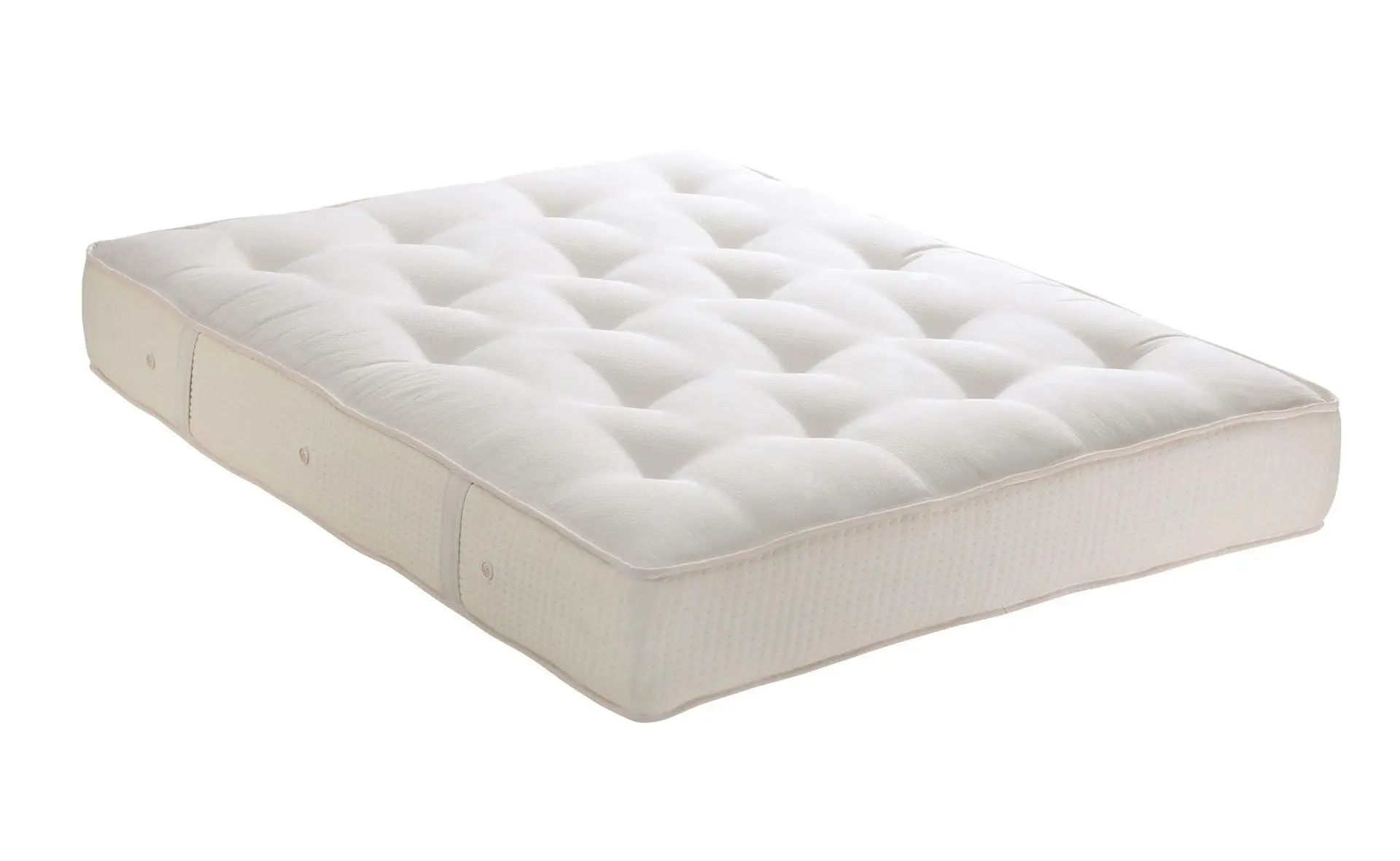
How Are Mattresses Packaged for International Shipping?
Mattresses are often compressed or roll-packed to minimize their shipping size and ensure they are safe during transit.
Packaging is important since mattresses are bulk items. Their volume can rapidly grow the quantity of container space that you require.
Some mattresses may have features like
- Vacuum compression
- Roll packing
- Plastic protective wrapping
- Individual cartons
- Export-grade cartons
- Moisture protection
- Protective corner materials
Hotel-specific labels and shipping marks are required.
Some mattresses can be compressed to reduce shipping volume, but this depends on their construction and the manufacturer's specifications.
Prior to production, inquire of the supplier:
- What is the volume of the packed mattress?
- What is the weight of the pack?
- How many mattresses will fit in 1 carton?
- How many CBM are there altogether?
- Is the mattress vacuum compressible?
- What is the longest amount of time the mattress can be compressed for?
- Which material prevents it from getting wet?
- Is there the option to have project labels or room numbers added by the supplier?
Expert Tip: Final packaging specifications always should be approved before mass production. Your total shipping volume may change with a slight change in carton size or compression method. That can make a huge difference in your freight bill for a large hotel project.
Choosing the Right Shipping Method for a China Mattress
Ocean freight typically offers the most convenient combination of price and quantity to large orders of hotel mattresses, while air freight is more viable for small or urgent orders.
The primary methods are ocean freight, air freight, rail and multimodal.
Ocean Freight
When buying mattresses in bulk, shipping them by ocean freight typically is the most cost-effective option.
There are two options to choose from:
- FCL: Full Container Load
- LCL: Less than Container Load.
FCL stands for full container load, which means that you are filling a container with your cargo. LCL is a shipment that is combined with other shipments.
If you require 300 mattresses and other guestroom items, for instance, your sourcing partner can bundle appropriate items together in a single container.
Air Freight
While air freight can transport goods much quicker, mattresses pose an issue—they take up a lot of space.
Although not necessarily very heavy, the bulkiness of a mattress can make for costly air freight.
Air freight is primarily used when:
- You are in dire need of new mattresses
- You need samples
- You have a very small order, and it is not even worth the effort.
- A major setback in a project.
Sea freight is typically the first choice for a complete order of hotel mattresses.
Rail or Multimodal Shipping
Certain routes may be available for rail or multimodal transport. The choice of the best one depends on the source, destination, urgency, services available, and volume of shipment.
Don't ship by the fastest method. Compare total delivered cost and reliability.
FCL vs. LCL: Which Is Better for Hotel Mattresses?
Mattresses take up a considerable amount of space, and a separate container may make it easier to manage, making FCL a good choice for large orders.
LCL is suitable for smaller shipments, particularly if you don't have sufficient cargo to fill a container.
Factor | FCL | LCL |
Shipment size | Large | Small to medium |
Container space | Dedicated | Shared |
Handling | Usually simpler | More handling points |
Cost efficiency | Often better at higher volume | Useful for smaller shipments |
Consolidation | Less important | Essential |
Hotel project use | Good for large orders | Useful for smaller orders |
You are purchasing 40 mattresses for a small boutique hotel. LCL may make sense.
Now imagine that you need 500 mattresses for a resort. FCL might be a more feasible option.
Your freight forwarder should work out both alternatives for you before you make your decision.
Understanding Mattress Shipping Volume
The volume of shipping is also important, as mattresses occupy a lot of space, and freight charges are sometimes based on the amount of space you utilize.
Volume will typically be given in CBM (cubic meters).
The simple formula is as follows:
Length × Width × Height = Volume
For example, if one packed mattress measures 2.0 m × 1.0 m × 0.30 m:
2.0 × 1.0 × 0.30 = 0.60 CBM
At that packed volume, if you order 100 units:
0.60 × 100 = 60 CBM
This is a simple example of how packaging can make all the difference.
Your supplier should provide you with the final packing sizes and total CBM prior to booking freight.
Don't rely solely on the mattress size for shipping estimates. Packaged sizes may vary considerably.
Customs Clearance When Importing a Mattress from China
Your product classification, declared value, origin, documentation, destination-country rules and more are the factors customs officials rely on to determine how they treat the shipment.
Some documents that may be needed for a typical shipment include:
- Commercial invoice
- Packing list
- Bill of lading
- Certificate of origin (if applicable).
- Product description
- Shipping documents
- Other documents required by the destination for the product.
Specific requirements differ from country to country.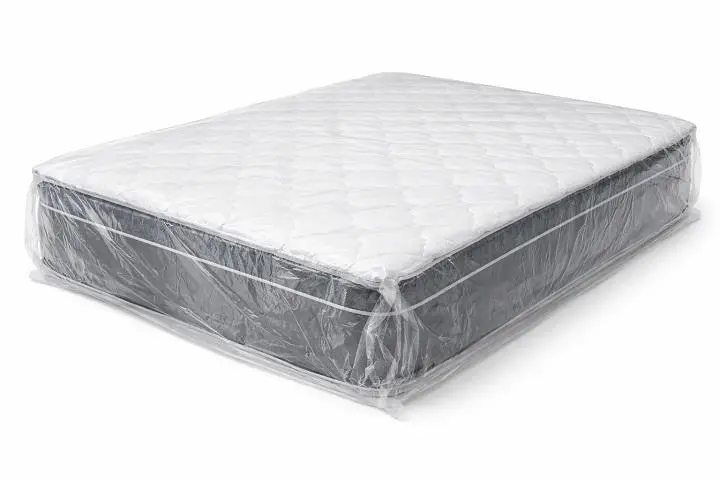
Why the HS Code Matters
The HS code assists the customs authorities in the classification of the imported product and the treatment of the tariff.
A mattress may have a different classification from other bedding products. The precise classification may also vary based on the product's structure and the tariff schedule of the country to which the product is being exported.
This means that you should not just copy an HS code from another supplier.
Before shipment, consult your customs broker or the appropriate customs authority to ensure the correct classification.
- Expert Tip: Do this before you make the final order, not after the container has left China. After shipment, if you find that the classification or documentation is incorrect, you may encounter delays, additional costs or both.
China Mattress Import Duties, Tariffs, and Taxes
The import duty rate for a China mattress varies from country to country, product type, customs value, country of origin, and trade measures.
This is important because articles on the Internet will often state one tariff number as being applicable for all situations.
It does not.
The destination country may impose charges such as:
- Standard customs duty
- Additional tariffs
- Anti-dumping duties
- Countervailing duties
- VAT or GST
- Other import taxes and charges
The United States offers a good illustration of the need for country-specific research. In 2025, the U.S. International Trade Commission, during its five-year review of the current antidumping duty order on mattresses from China, confirmed that the order will continue in effect.
Therefore, if you're considering importing mattresses to the United States, you shouldn't rely on a simple tariff search to estimate your expenses. Trade-remedy measures also need to be considered.
Different rules apply to other countries.
How to Estimate Your Import Duty
The basic concept is as follows:
Customs Value × Applicable Duty Rate = Import Duty
The detailed customs value regulations and other customs charges, however, differ from country to country.
For instance, if your customs value was $30,000 and your duty rate was 10%, the basic duty would be
$30,000 × 10% = $3,000
This is just one illustration. It is not a universal tariff for mattresses.
Please double-check the latest rate with a qualified customs broker or the country's official tariff before ordering.
Hidden Costs When Importing a China Mattress
 What many first-time importers don't expect is what is not included in the mattress quote from the supplier. What many first-time importers don't expect is what is not included in the mattress quote from the supplier.
Some of the hidden or overlooked costs are
- Sample charges
- Customization charges
- Packaging upgrades
- China inland transportation
- Export documentation
- Freight forwarding
- Ocean freight
- Cargo insurance
- Customs brokerage
- Import duty
- VAT or GST
- Port handling
- Terminal charges
- Storage
- Demurrage
- Detention
- Inspection fees
- Destination trucking
- Unloading
- Re-delivery charges
Certain costs may not be seen until the product has been delivered.
For instance, if your supplier offers a price of $30,000 for mattresses. You estimate that you'll need about $30,000, so you order it.
Then you add:
- $2,000 packaging and inland logistics
- $5,000 international freight
- $3,000 import duty
- $4,000 taxes and destination charges.
The cost of your project is now $44,000.
This is an example of how landed cost is more important than the price at the factory.
How Long Does It Take to Import Mattresses from China?
The total import timeline is not just the time spent at sea but also the production time, inspection time, inland transportation time, international shipping time, customs clearance time and delivery time.
The following sequence is typical of a project:
Specification – Sampling – Approval – Production – Inspection – Packing – Inland Transport – Port – Ocean Freight – Customs – Final Delivery.
The actual time is subject to order quantity, customization, factory production schedule, shipping route and shipping destination.
Deper Hospitality suggests that the sooner you plan for hotel OS&E projects, the sooner you can make sure to get the right equipment in time for your hotel opening. Its guidance notes are published and state that it takes approximately 8-16 weeks for the final sample to be approved via hotel delivery, depending on the customization and shipping method.
What Can Cause Mattress Shipping Delays?
Common causes include:
- Late sample approval
- Factory production delays
- Material shortages
- Chinese public holidays
- Port congestion
- Vessel schedule changes
- Incorrect documents
- Customs inspections
- Classification questions
- Missing certificates
- Destination trucking delays
Therefore, you need to leave some buffer time in your project plan.
If your hotel is opening June 1st, you can't assume that the mattresses will arrive May 30th.
How to Plan Mattress Delivery for a Hotel Opening
Count back from the date of your hotel opening, allowing time for production, inspection, shipping, customs and contingencies.
For example:
Stage | Example planning period |
Product specification | 1–2 weeks |
Sample development | 1–3 weeks |
Sample approval | 1 week |
Mass production | Several weeks |
Quality inspection | 1–3 days |
Freight booking | According to the vessel schedule |
International transit | Route dependent |
Customs clearance | Destination dependent |
Final delivery | Route dependent |
Contingency | Extra buffer |
Don't assume that these numbers are set guarantees. You and your supplier and freight forwarder should develop a project specific timetable.
Also coordinate mattress delivery with:
- Bed frames
- Headboards
- Bed linen
- Mattress protectors
- Pillows
- Duvets
- Guestroom furniture
- Other OS&E items
The early arrival of a mattress is of no use if the hotel doesn't have beds to set it in.
Quality Control Before Shipping a China Mattress
Check the mattresses before they depart China as it will be more expensive to correct a quality issue after the mattresses are delivered internationally.
Your inspection should check:
- Mattress dimensions
- Thickness
- Firmness
- Construction
- Foam or spring specifications
- Fabric
- Stitching
- Edges
- Labels
- Branding
- Packaging
- Quantity
- Carton condition
Compare the finished products with the approved sample and purchase specification.
Consistency is key for a hotel project. With 300 mattresses ordered, there should be no noticeable difference between rooms.
As part of our hospitality procurement process, we coordinate supplier follow-up and quality checks at Deper Hospitality. We want to ensure that the final shipment is in compliance with the approved specifications before it is put on international logistics. Deper's hospitality sourcing services also focus on supplier management, quality control, documentation, consolidation, and shipping support.
Certifications and Compliance to Check
It is important to research the safety and compliance standards of the country you are shipping to before you place the order for the mattress.
The needs may differ based on the region where you intend to sell or utilize the bed mattress.
Requirements that may need to be reviewed include:
- Fire safety
- Flammability
- Materials
- Chemical restrictions
- Textile content
- Product labeling
- Environmental claims
- Hotel or project requirements
Don't presume that the supplier's certificate meets the destination country's regulations.
Request the necessary test reports and certificates and ensure they are for the specific product.
Expert Tip
Inform the supplier of your destination market prior to sampling.
This allows the factory to choose the right materials and have the necessary paperwork ready.
A Practical China Mattress Import Cost Example
To better grasp landed cost, let's take a simple example.
Suppose a hotel is interested in importing 200 mattresses.
Suppose:
- The price of the mattress in the factory is $100 per mattress.
- Product cost: $20,000
- Packaging and China inland logistics: USD 2000
- International freight: $4,000
- Insurance and documentation: $500
- Duties and taxes: $5,000
- Destination charges/final delivery: $3,000.
The estimated landed cost would be
$20,000 + $2,000 + $4,000 + $500 + $5,000 + $3,000 = $34,500
That leaves you with an estimated landed cost of
$172.50 per mattress
The factory price was $100, but your project cost $172.50 per mattress.
Once again, these are hypothetical numbers. Actual freight, duties, taxes and destination
Charges may vary considerably.
The message is clear: do landed cost calculations before the PO is approved.
How to Reduce the Total Cost of Importing Mattresses from China
The key to lowering your import cost is to have the whole supply chain under your control, not just the negotiation of the mattress price.
Try these strategies:
1. Optimize Packaging
Inquire from the supplier if compression or roll packing is possible to reduce shipping volume without reducing product quality.
2. Compare FCL and LCL
Don't just go with the lowest priced looking choice. Request a freight forwarder to give you a comparison of the total delivered cost.
3. Consolidate Suitable Hotel Supplies
Consolidation can also be beneficial for logistics if pillows, protectors, linens, towels, or other products are also required and the products and shipping schedule permit.
4. Confirm Duties Early
Make sure you know the import charges before ordering.
5. Inspect Before Shipment
Pre-shipment inspection can help to find the problems before the goods are shipped to China.
6. Avoid Last-Minute Shipping
Emergency freight can ruin your China sourcing savings.
7. Negotiate the Complete Package
Don't just focus on the unit price of the mattress. Discuss:
- Packaging
- Branding
- Inland delivery
- Lead time
- Payment terms
- Inspection
- Shipping arrangements
This will help you get a more precise project budget.
Should You Import Mattresses Directly or Use a China Hospitality Sourcing Partner?
While direct sourcing is an option for experienced buyers, a hospitality sourcing partner can alleviate the burden of supplier selection, quality control, supplier documentation and logistics coordination.
Direct sourcing involves handling the sourcing process directly.
You need to:
- Find factories
- Compare quotations
- Check samples
- Verify specifications
- Negotiate terms
- Monitor production
- Arrange inspections
- Prepare shipping documents
- Book freight
- Coordinate customs
- Arrange final delivery
It may get challenging when you also need to handle a hotel building or remodeling project.
These stages can be coordinated by a sourcing partner from a single location.
- At Deper Hospitality, we collaborate with the hospitality buyer in sourcing, supplier communication, quality control, documentation, consolidation and logistics. We also assist our clients in leveraging manufacturing networks without having to deal with each supplier individually in China.
If you are ordering a small amount, it might be worth taking on the management yourself.
When you have a multi-room hotel project with multiple suppliers, it's important to have professional procurement support to save time and minimize coordination risks.
China Mattress Import Checklist
Please check the following before you place your order.
- Mattress specifications
- The dimensions and thickness of the mattress.
- Firmness
- Materials and construction
- Approved sample
- Supplier production capacity
- Packaging method
- Packed dimensions
- Total CBM
- Quantity
- HS classification
- Destination-country import requirements
- Duties and taxes that apply
- Shipping method
- Freight quotation
- Production schedule
- Pre-shipment inspection
- Commercial invoice
- Packing list
- Bill of lading
- Required certificates
- Customs clearance
- Final delivery plan
Conclusion: Calculate the Full Landed Cost Before Importing a China Mattress
China mattress importing can enable your hotel, resort, or serviced apartment to gain access to competitive pricing, customization, and large-scale manufacturing. But the factory quotation tells only part of the story.
The total landed cost should be calculated prior to ordering. Add the mattress, packaging, China inland freight, international shipping, insurance, customs duties, taxes, port charges, customs clearance and final delivery.
It is also important to verify the HS classification, destination country requirements, packaging, quality standards, and project timeline prior to production.
Deper Hospitality assists the buyers of hospitality products in supplier coordination, quality control, documentation, consolidation, and logistics. Whether you're in the process of opening a new hotel, renovating an existing one, or ordering bulk mattresses for your business, reach out to our team to discuss your specifications, quantity, destination, and sourcing needs, and we'll help you create a viable procurement plan.
It is all about the question: don't just ask “how much is the mattress?” Inquire, “How much will this mattress cost when it is delivered to my hotel, and when will it be delivered?” That answer will give you the true cost and enable you to make a much smarter sourcing decision.
FAQs About China Mattress
1. How much does it cost to import a mattress from China?
The price is determined by the mattress price, quantity, packaging, shipping method, destination, customs duties, taxes, and final delivery charges. When placing bulk hotel orders, do not just consider the supplier's mattress price—consider the total landed cost.
2. How much does it cost to ship a mattress from China?
The shipping costs are primarily based on the mattress size, packed CBM, quantity, destination and shipping method. Sea freight is generally more suitable for larger or bulk mattress shipments, whereas air freight is more expensive but can deliver mattresses quicker.
3. How long does it take to ship a mattress from China?
Sea freight may take several weeks whereas air freight is generally much quicker. Please note that you should not plan solely based on the international transit time, as your total delivery time also includes supplier preparation, quality inspection, export handling, customs clearance and final delivery.
4. What is the cheapest way to ship mattresses from China?
Sea freight is usually most cost-effective when it comes to large orders like hotel mattresses. FCL and LCL should be compared depending on the total volume of shipment that you need to move, as the cheaper one depends on the volume.
5. Do I have to pay import duty on mattresses from China?
Mattresses may be subject to import duty, taxes and other import fees when imported into your country. This is subject to the destination country, HS code, customs value, country of origin, and any other trade measures that might apply.
6. What documents are required to import mattresses from China?
These documents include a commercial invoice, packing list, bill of lading or air waybill, and product and customs information. The country where you are shipping may have other documents required, so check before shipping.
7. What is the HS code for mattresses?
The appropriate HS code will vary according to the type of mattress and the tariff classification of the country you are shipping to. Before shipping, check with your customs broker or the customs authority that is applicable to the classification, as misclassification can result in clearance delays.
8. Can mattresses be vacuum-packed for shipping from China?
Yes, a lot of mattresses can be compressed or roll packed to reduce their volume for shipping, but it depends on the mattress construction and manufacturer's instructions. Please check the final dimensions and CBM before booking freight.