
The Strategic Importance of Hotel Toiletries
Hotel toiletries are more than just complimentary items; they're silent brand ambassadors working tirelessly for you, 24/7. Think about it: a guest uses your shampoo, a judgment is formed. The quality of these seemingly small products sends a powerful message – one of care, attention to detail, and a genuine desire to enhance their stay. They signal that you've anticipated their needs and value their comfort.
Beyond the brand message, these amenities often provide a comforting touch of home, especially when travelers are on the road. How many times has someone forgotten a toothbrush or travel-sized essential? Providing a solution to that immediate need creates instant goodwill and reduces those calls to the front desk for a forgotten item.
But perhaps the most compelling reason to invest in quality toiletries is the perceived value they add to your room rate. Guests feel pampered and valued, leading to positive reviews, repeat bookings, and a significantly improved return on investment for what amounts to a relatively small expense. It's a win-win!
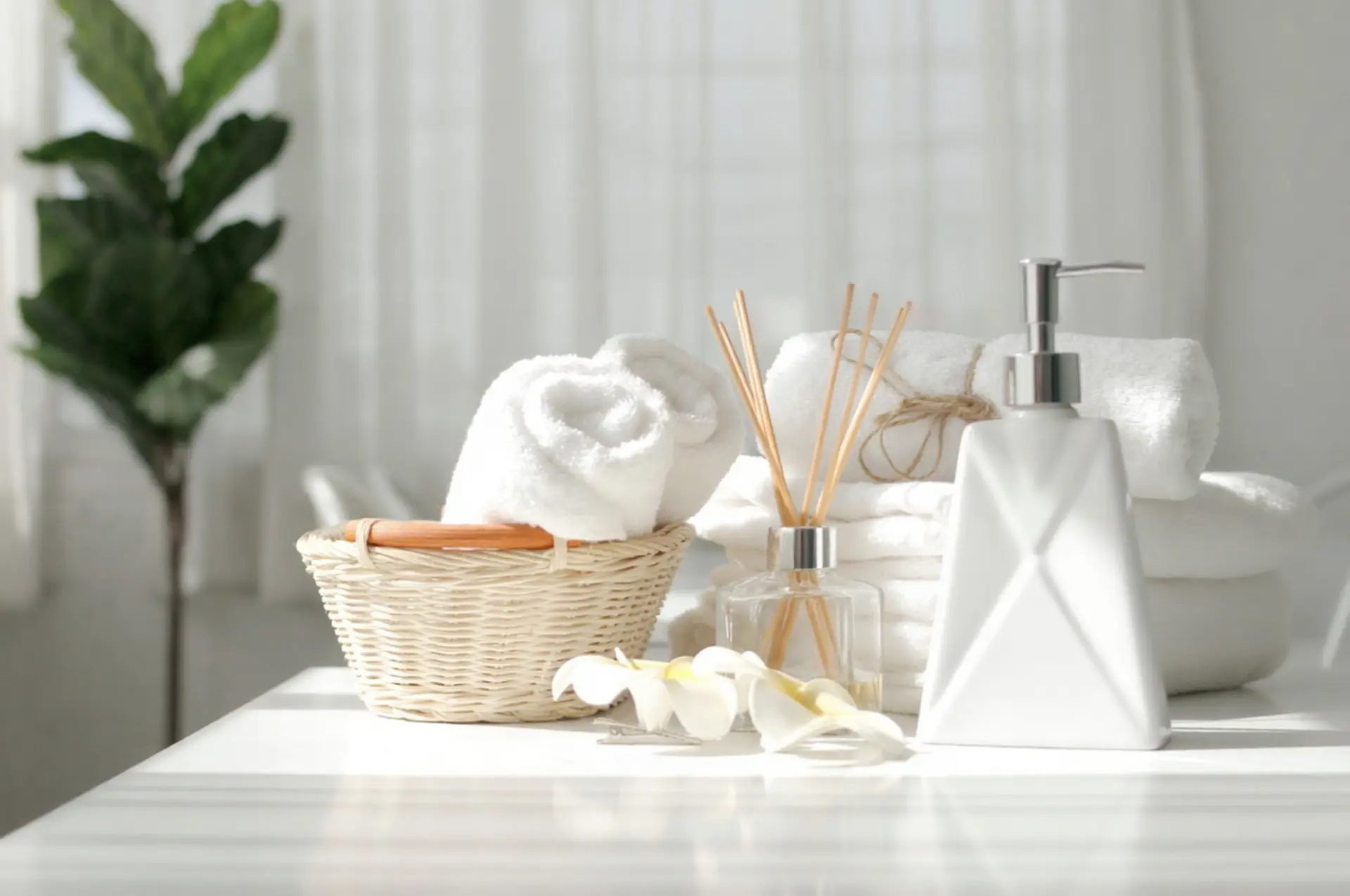
Exploring Current Trends in Hotel Amenities: Meeting Evolving Guest Expectations
The world of hotel amenities is constantly evolving, with several key trends shaping guest expectations:
- Sustainability Takes Center Stage: Eco-consciousness is no longer optional; it's a demand. Guests actively seek out hotels committed to sustainability. Refillable dispensers, biodegradable packaging, and eco-friendly formulations are now significant decision-making factors. Showcase your commitment to environmental responsibility.
- The Allure of Local and Authentic Experiences: Travelers crave authentic experiences, and that desire extends to the bathroom. Toiletries crafted with locally sourced ingredients tell a unique story about your location, adding a layer of cultural immersion to the guest's stay. It's an opportunity to highlight the region's unique characteristics.
- "Skincare-First" Movement: Guests are increasingly savvy about ingredients. Harsh chemicals are out; gentle, effective, and natural formulas are in. Think paraben-free, sulfate-free, and enriched with beneficial botanicals. Recognizable, trusted brands can also increase the perceived value and trust in your offerings.
Factors to Consider When Choosing the Right Toiletries: A Strategic Approach
Selecting the right toiletries requires careful consideration of several key factors:
- Packaging: Single-Use Luxury vs. Eco-Friendly Efficiency: The packaging choice is a significant one. Do you opt for the perceived luxury of single-use bottles or the environmental benefits (and cost savings) of wall-mounted dispensers? Consider your target audience and brand positioning.
- Brand Identity: Scent and Style Alignment: Your toiletries should be an extension of your hotel's personality. A boutique hotel might opt for a unique and bold scent, while a business-focused hotel might prefer a clean, neutral fragrance. Remember, scent is a powerful memory trigger!
- Product Formula: Quality Matters Above All Else: Never compromise on quality. Cheap shampoos and soaps are easily noticed and can leave a negative impression. Opt for reputable brands with proven formulas that are gentle on skin and hair.
- Practicality and User Experience: Ease of Use is Key: Is the packaging easy to open and use? Is the dispenser reliable and intuitive? A frustrating user experience can negate the benefits of even the best product. Ensure the entire process is seamless and enjoyable.
Researching and Selecting Reliable Suppliers: Building a Trusted Partnership
Finding the right supplier is crucial. You need a partner you can trust to deliver consistent quality and exceptional service.
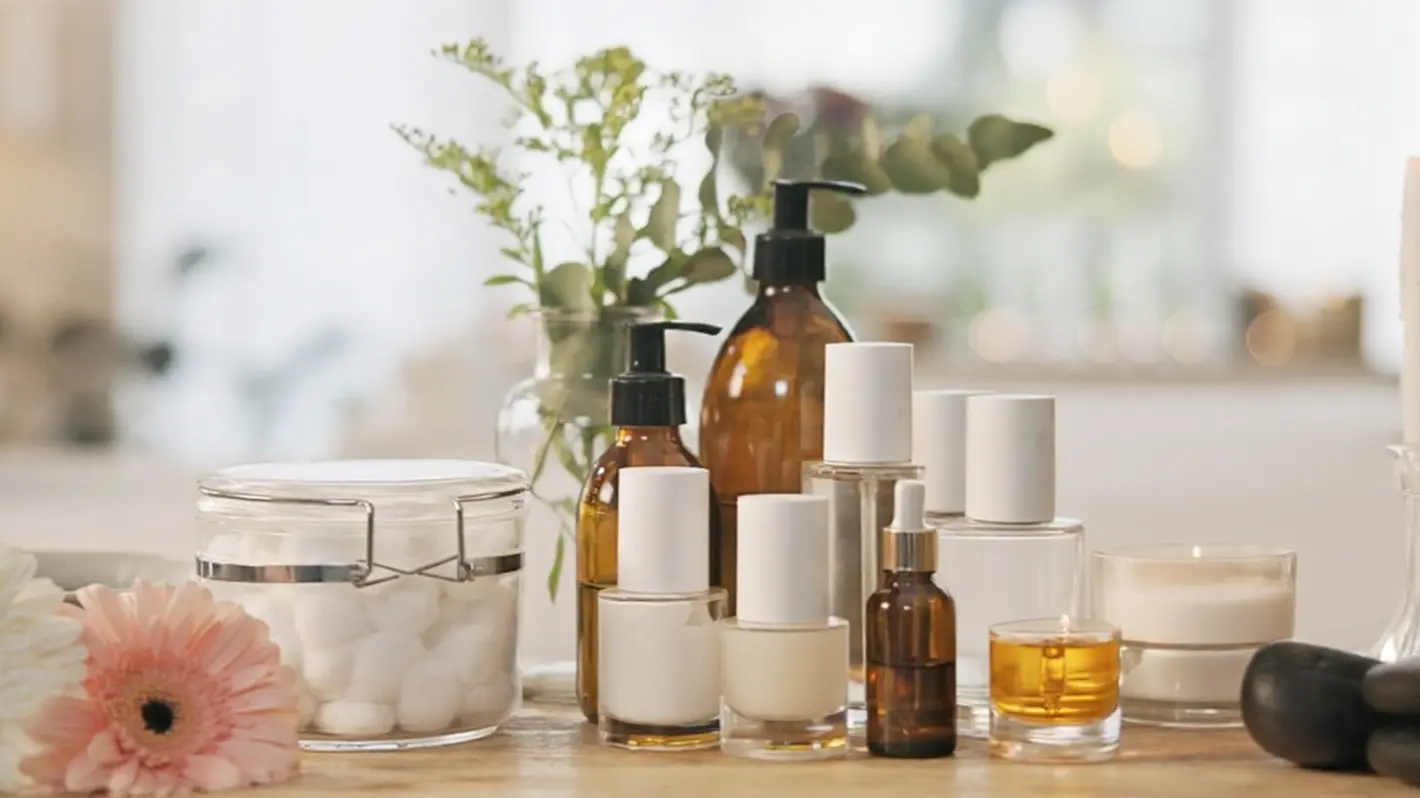
- Know Your Audience: A family resort has different needs than a luxury boutique hotel, and business travelers have different preferences than vacationers. Tailor your selection to your specific guest demographics.
- Request Samples and Test Thoroughly: Never place a large order without first testing the products. Have your staff and even a select group of guests try the toiletries and provide feedback. Consider factors like scent, lather, and overall feel on the skin.
- Check the Supplier's Reputation: How long has the supplier been in business? Read reviews from other hotels and look for testimonials. A reliable supplier will have a track record of consistency, quality, and on-time delivery. They should also provide relevant product certifications.
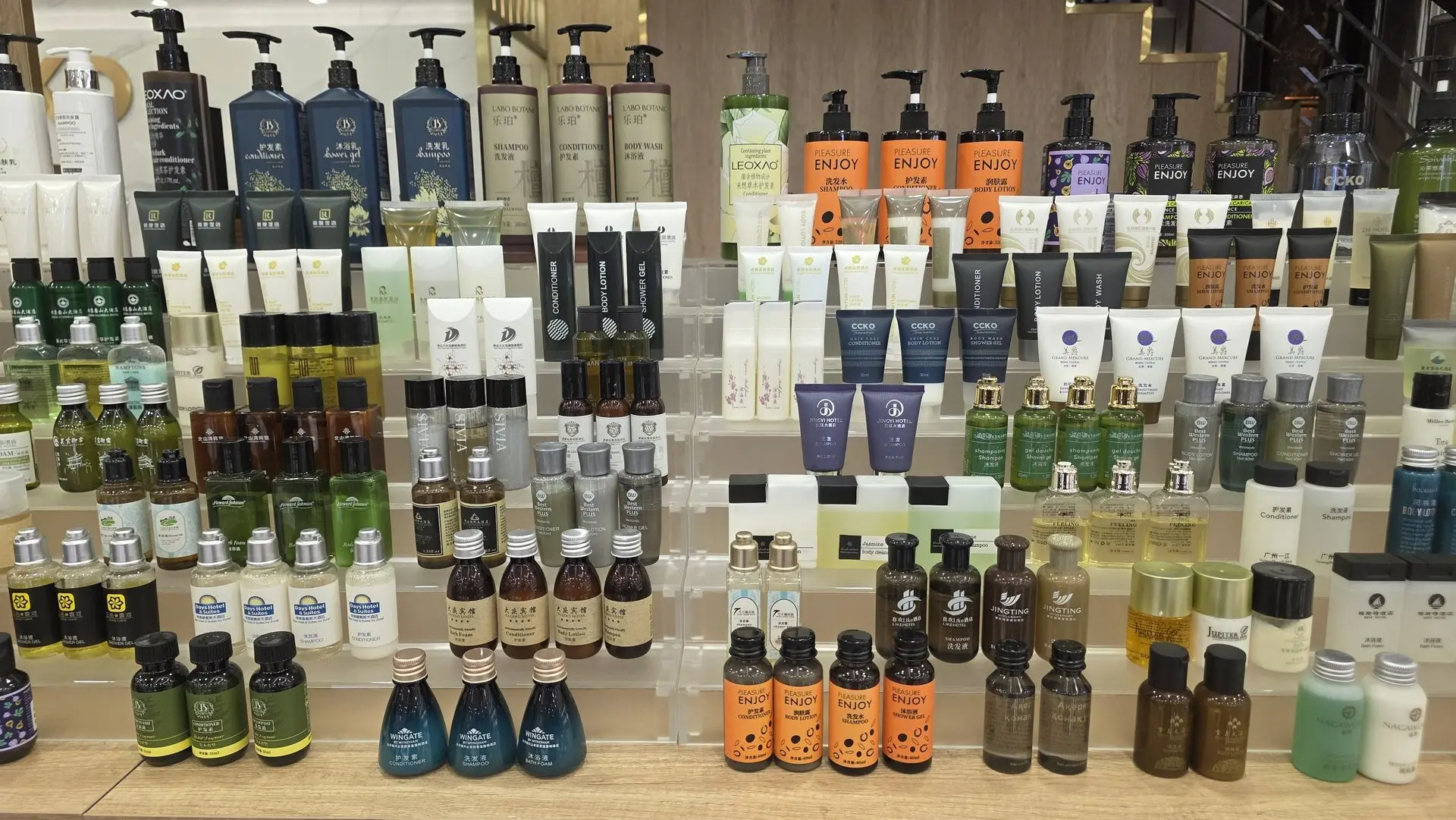
- Explore Branding Options: Custom-labeled bottles elevate the guest experience and reinforce your brand identity. Ask your supplier about customization options.
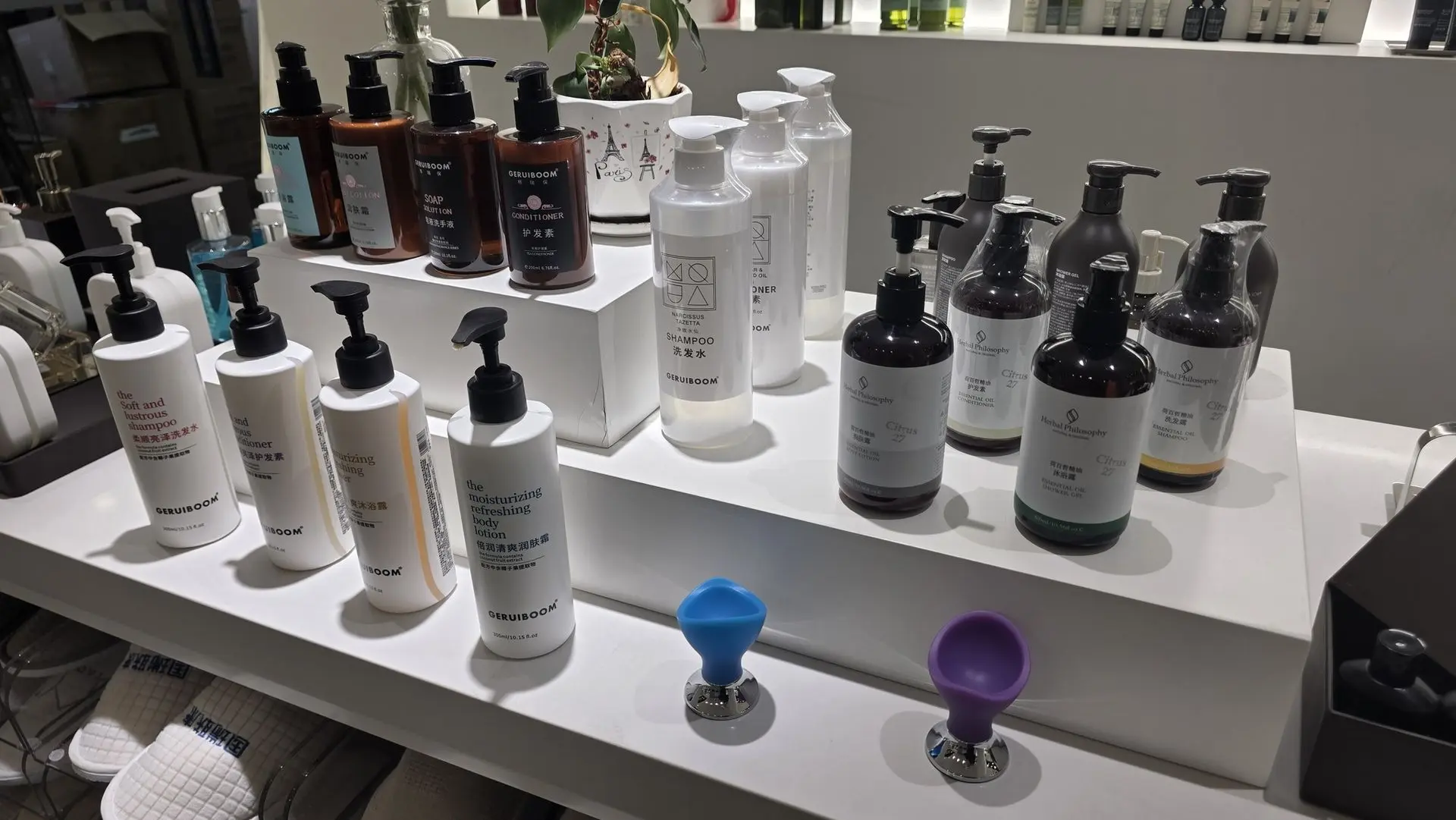
Implementing Sustainable Practices in Amenities: A Commitment to a Greener Future
Adopting green practices is not only responsible but also increasingly expected by today's travelers.
- Embrace Large-Format Dispensers: This dramatically reduces plastic waste. Be sure to choose durable, easy-to-clean dispensers.
- opt for Recycled and Sustainable Materials: If single-use items are preferred, select bottles made from recycled plastic or explore alternative materials like bamboo or sugarcane.
- Choose Vegan and Cruelty-Free Formulas: Select products with natural ingredients and avoid those tested on animals.
- Communicate Your Efforts: Place a small card in the bathroom explaining your commitment to sustainability. This can turn a simple amenity into a point of connection with environmentally conscious guests.
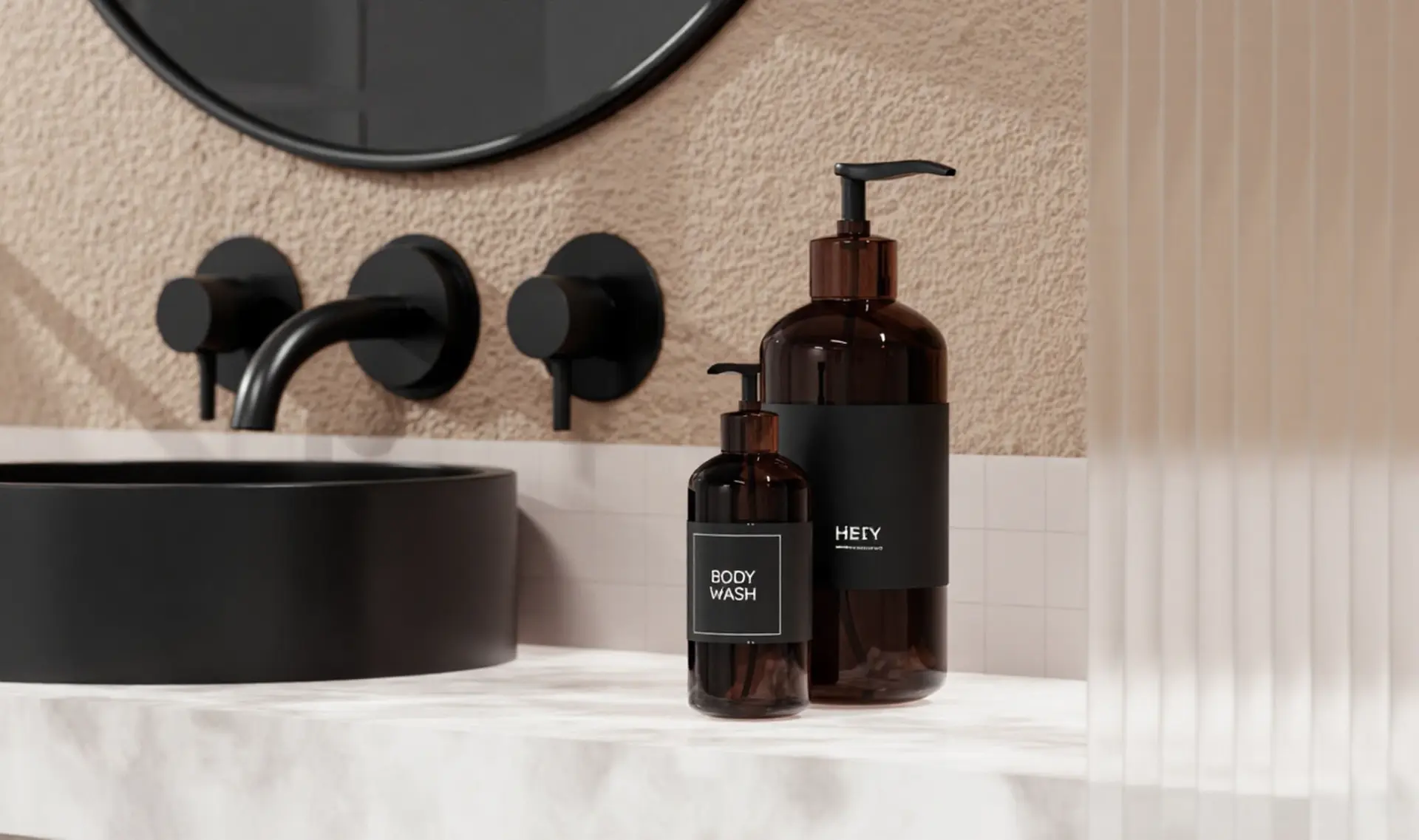
Elevating the Guest Experience Through Thoughtful Amenities: Going Above and Beyond
Guests increasingly value amenities that feel tailored to their individual needs and preferences.
- Personalize Your Offerings: Business travelers might appreciate a high-quality shaving kit, while leisure travelers might enjoy bath salts or aromatherapy oils.
- Offer a Variety of Products: Providing body lotion, facial soap, and shaving kits adds a touch of luxury.
- Utilize Technology: Mobile apps or pre-arrival surveys allow guests to indicate preferences.
- Create a Signature Scent: Guests will associate that scent with their stay.
- Provide Essential Kits: Include items like phone chargers or sanitary products at the front desk.
Maintaining Quality and Consistency: Building Trust Through Reliability
Consistency is key to building trust. Guests expect the same quality on every visit.
- Establish Clear Standards: Get the product formula and fragrance in writing.
- Conduct Regular Quality Checks: Test new shipments for leaks or changes in scent.
- Train Your Staff: Teach them how to refill dispensers properly.
- Have a Backup Plan: Keep a small reserve of amenities.
Cost Management and Supplier Negotiation: Balancing Budget and Quality
- Calculate Cost Per Room Night: This gives you a precise figure to work with.
- Negotiate with Suppliers: Committing to a larger annual order can secure a better price.
- Look for Added Value: Does the supplier offer free branding?
- Consider a Long-Term Contract: This protects you from sudden price increases.
Common Mistakes Hotels Make (and How to Avoid Them!)
- Using cheap, generic products: Invest in quality.
- Overly strong fragrances: opt for subtle, universally appealing scents.
- Inconsistent supply: Ensure you have adequate stock.
- Ignoring cultural preferences: Offer unscented options.
- Neglecting packaging hygiene: Keep bottles clean and dispensers leak-free.
Conclusion
In the competitive hospitality industry, every detail matters. Hotel toiletries are more than just a basic necessity; they are a powerful tool for creating a positive and lasting impression. By aligning your amenities with guest expectations, choosing reliable suppliers, and embracing sustainable practices, you can elevate the guest experience, build brand loyalty, and ensure that your hotel stands out from the crowd. Remember, it's the small details that often make the biggest difference.