
Are you looking to stock your restaurant, retail store, or startup with high-quality, affordable crockery? Sourcing directly from China offers significant advantages in price and customization. However, navigating this vast market requires a strategic approach to avoid common pitfalls and forge a profitable partnership.
Streamline Your Sourcing with Expert Help
Navigating supplier verification, quality control, and logistics can be challenging. Partnering with a trusted sourcing agent can significantly streamline the process. A good agent will verify supplier credentials, conduct factory audits, manage quality control inspections, handle logistics, and negotiate the best possible prices, freeing you to focus on your core business. For hospitality projects requiring a wide range of items, a sourcing agent experienced in FF&E Procurement (Furniture, Fixtures & Equipment) can ensure a consistent standard across all your supplies. Imagine, for example, a new hotel opening. A sourcing agent can handle everything from finding the right crockery to sourcing furniture that complements the decor, ensuring a cohesive and cost-effective solution.
Understanding the Chinese Crockery Market
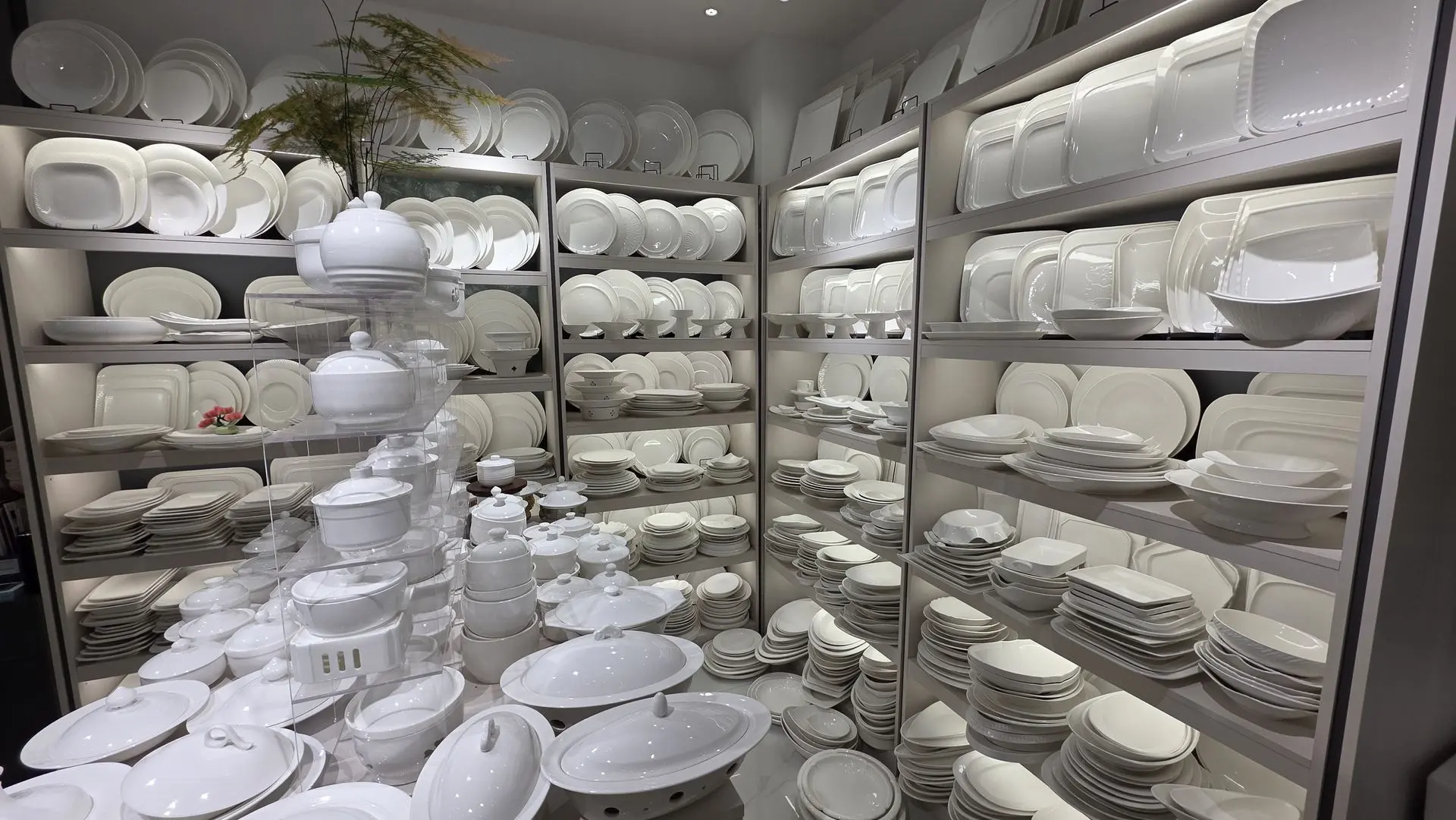
China's crockery industry is concentrated in key manufacturing centers, including Jingdezhen, (renowned as the "Porcelain Capital"), Chaozhou (known for ceramics), and Foshan (for large-scale industrial production). The market ranges from large, automated factories capable of fulfilling massive global orders to smaller, artisanal workshops specializing in hand-painted, premium pieces. Understanding this landscape is crucial to matching your volume, quality, and design requirements to the right supplier.
Benefits of Buying Crockery Directly from China
Sourcing directly from China offers numerous advantages:
- Cost-Effectiveness: Achieve significant savings compared to buying from distributors.
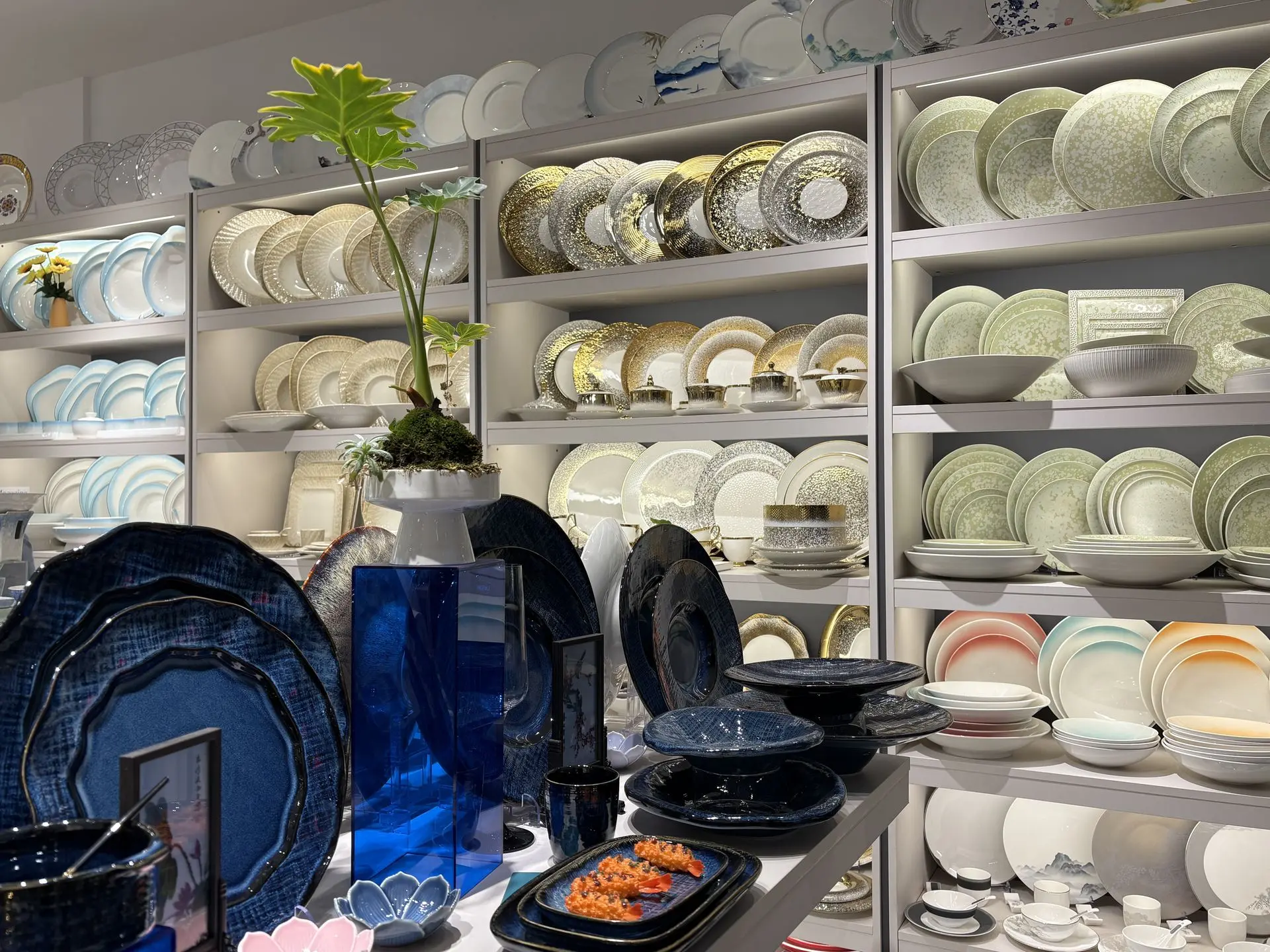
- Vast Selection: Access a virtually limitless range of styles, from minimalist modern designs to intricate traditional patterns.
- Customization: Tailor shapes, sizes, colors, and logos to your exact specifications.
- Scalability: Whether you need a few hundred pieces or tens of thousands, Chinese manufacturers can accommodate your production volume.
- Innovation: Benefit from cutting-edge material and glaze technology, resulting in durable and innovative products.
Types of Chinese Crockery Available Wholesale
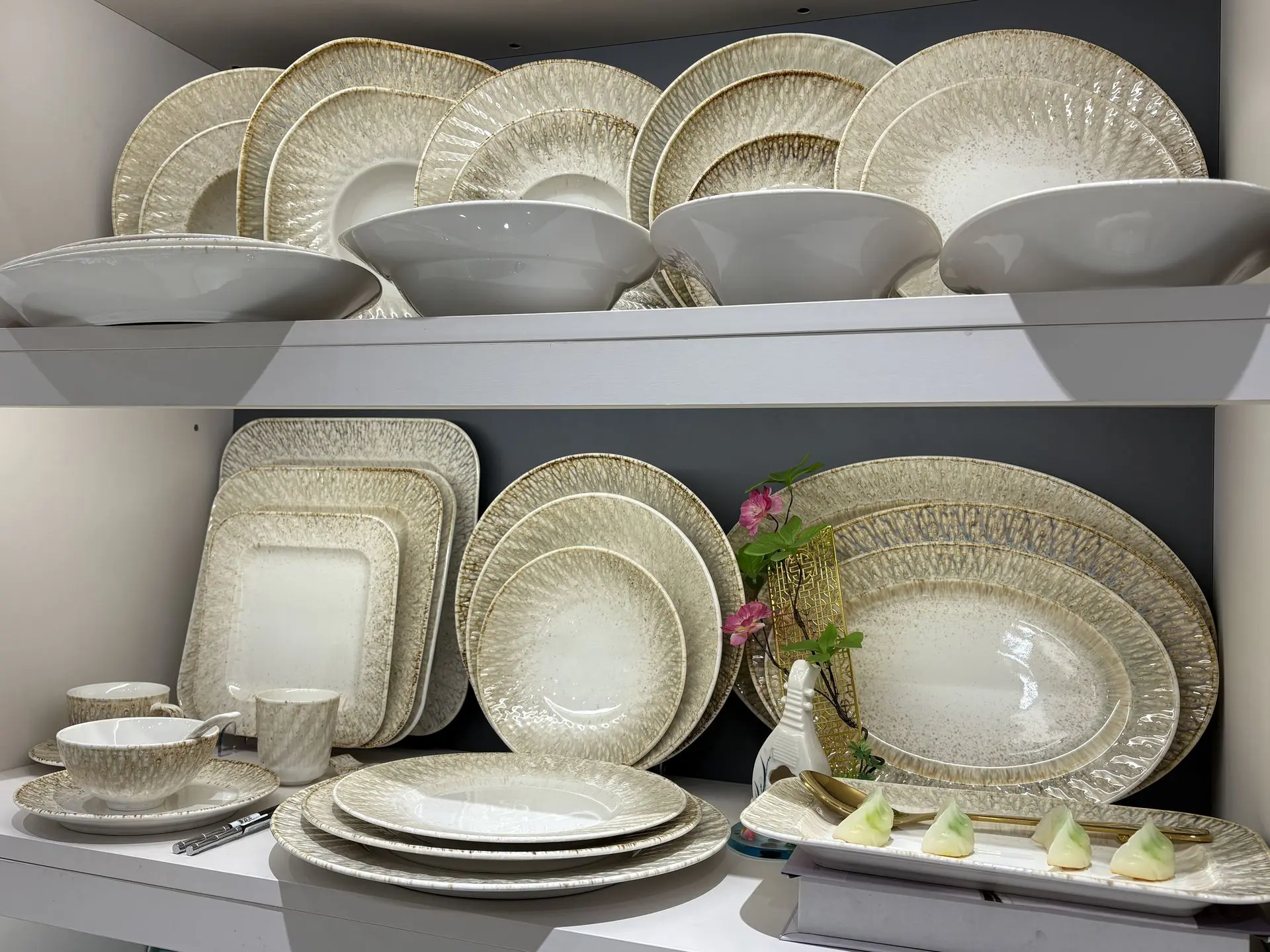
- Porcelain Crockery: Famous for its delicate appearance, whiteness, and chip resistance. Its non-porous nature makes it easy to clean and sanitize, making it a top choice for hotels and restaurants. It is fired at high temperatures, making it exceptionally strong.
- Ceramic & Stoneware Crockery: Valued for its rustic, durable, and heavier feel. Less porous than earthenware, it's ideal for everyday use, casual dining, and those seeking an "artisanal" look. Its natural variations in color and texture add a unique charm.
- Bone China: Characterized by its remarkable lightness, translucency, and superior strength. It represents the epitome of elegance for fine dining and is often found in luxury retail settings. Bone China sets are typically more expensive due to their premium materials and manufacturing processes.
- Custom Printed Crockery: Offers the opportunity to create branded merchandise or promotional items by printing your artwork or logo onto plates, mugs, and bowls. This is ideal for creating a unique product line and boosting brand recognition.
Best Platforms to Source Chinese Crockery Suppliers
- B2B Platforms (Alibaba, Made-in-China, Global Sources): These platforms offer a vast directory of suppliers, but due diligence is essential. Verify supplier credentials and carefully review product listings.
- Sourcing Agents: For larger or more complex orders, a sourcing agent provides hands-on support, including factory audits, quality control, and logistics management. They are especially valuable for FF&E procurement in hospitality projects.
- Trade Shows: Attending trade shows like the Canton Fair allows you to meet suppliers in person, inspect products firsthand, and build relationships.
How to Identify Reliable Crockery Manufacturers
- Verification on B2B Platforms: Look for suppliers with "Verified" or "Gold Supplier" status but always conduct further due diligence.
- Business Licenses and Certifications: Request copies of the supplier's business license and relevant product certifications (e.g., FDA compliance, LFGB standards).
- Communication: Assess the supplier's responsiveness, clarity, and professionalism in communication.
- References: Ask for references from past clients, particularly those in your industry and region.
- Factory Visit (If Possible): A factory visit allows you to assess production capabilities, quality control processes, and working conditions firsthand.
Requesting Samples Before Bulk Orders
Always request samples to check the quality, weight, finish, and color accuracy before placing a bulk order. Be prepared to pay for the samples and shipping; this is a standard practice that signals you are a serious buyer. The cost is minimal compared to the potential losses from a flawed bulk order.
Quality Control Checklist for Chinese Crockery
Finish: No rough or sharp edges, especially on the base. The base should be smooth.
Glaze: Smooth, even coating without bubbles, cracks, or pinholes. The surface must be consistent across all pieces.
Shape and Dimensions: Consistent size, weight, and shape across the batch.
Decoration: Designs are sharp, accurately printed, aligned, and durable. Test for fading by washing samples repeatedly.
Food Safety: Ensure the crockery meets relevant food safety standards and regulations (e.g., lead and cadmium content). Ask for lab test reports to confirm compliance.
For Impeccable Quality Assurance, Trust the Experts
The challenge of managing quality control. Deper offers a professional quality control team to conduct rigorous pre-shipment inspections against your checklist, ensuring every plate, cup, and also bowl in your order. They meet the highest standards for finish and durability. We handle the meticulous checks so customers can receive their perfect crockery order with absolute confidence, turning a complex process into a smoothly integrated part of your FF&E Procurement strategy.
Using Third-Party Inspection Services (SGS, TUV, QIMA)
Mostly for large orders, we hire an independent inspector. The company is a wise investment. Inspectors will visit the factory before shipment to perform random checks against your quality standard, ensuring the entire batch matches the approved sample.
Negotiating Prices with Chinese Crockery Suppliers
- Higher order volumes typically secure lower unit prices.
- Offering a larger deposit or faster payment can improve your negotiating position.
- Simplifying packaging can reduce costs.
- Building long-term relationships can encourage better pricing over time.
Understanding MOQ (Minimum Order Quantity)
MOQs vary significantly. A supplier might require a minimum of 500 pieces per design, per color. If you can't meet the standard MOQ, inquire about purchasing from existing stock or combining your order with other buyers.
Key Payment Terms When Buying Crockery from China
- T/T (Bank Transfer) A 20% deposit is standard, with the 80% balance paid before shipment of the order.
- L/C (Letter of Credit) is more secure but complex, suitable for very large orders.
- PayPal/Western Union is typically used for smaller orders or sample payments
Shipping and Logistic Options (FOB, CIF, EXW)
- FOB (Free On Board): You pay for the goods to be loaded onto the ship. You control and pay for the main sea freight and insurance. This is the most common and often recommended term for importers.
- CIF (Cost, Insurance, and Freight): The supplier arranges and pays for sea freight and insurance to your port. This is simpler but gives you less control over freight costs.
- EXW (Ex Works): You are responsible for all costs and logistics from the supplier's factory door. This requires you to have your own freight forwarder.
It is important to work with a reputable freight forwarder to ensure a smooth and cost-effective shipping process.
Avoiding Common Mistakes While Importing Chinese Crockery
- Not verifying supplier credentials. Always conduct thorough due diligence.
- Skipping the sample phase. Never assume quality; always test before ordering.
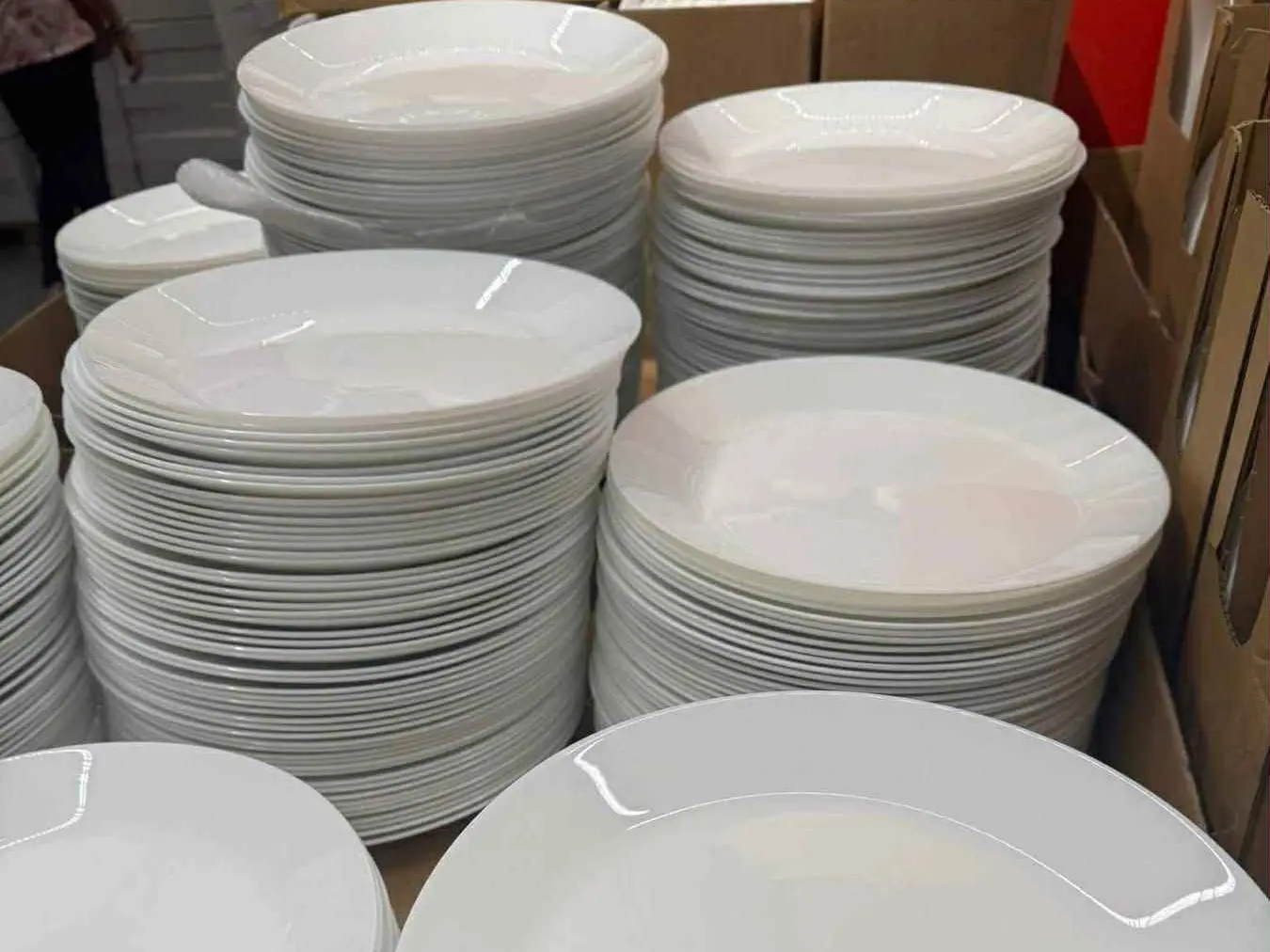
- Ignoring quality control. Implement a robust quality control process.
- Confusing the total landed cost. Remember to factor in import duties, taxes, customs clearance fees, inland transportation costs, and potential warehousing charges.
Building Long-Term Relationships with Chinese Suppliers
Treat your suppliers with respect, communicate clearly, pay on time, and provide constructive feedback. A strong relationship can lead to priority production slots, better pricing, and a supplier who is more invested in your success.
Conclusion
Sourcing Chinese crockery offers a path to high-quality products at competitive prices, enabling you to build a strong and profitable business. By following the strategic guide outlined above, you can minimize risks and maximize your returns. With careful planning and due diligence, you can unlock the potential of the Chinese market and create a successful crockery sourcing strategy. Are you ready to start sourcing?